The Destination Was Right. The Transition Was Harder Than We Expected.
We knew our residential parking permit program needed to change.
The program had been in place since 1985 and like many long-standing parking programs, it had evolved over time but remained largely unchanged. Paper permits, manual processes, and tracking addresses on paper created administrative work. Enforcement relied on physical permits. There were loopholes we wanted to close, along with opportunities to make the program more consistent, sustainable, and easier to manage.
So we set out to modernize it.
We moved from paper permits to a virtual, license-plate-based system. We created online registration, introduced virtual guest permits, established a new fee structure, updated program rules, and addressed many of the operational challenges we had identified.
Looking back, that is a lot of change at once.
From our perspective, each change made sense. Together, they created a more modern program that addressed many of the limitations of the old program. But what we underestimated was what it would mean to bring residents along with us through all of the changes.
The destination was right. The transition was harder than we expected.
When Solving Yesterday's Problems Creates Tomorrow's Questions
One of the easiest things to do when you have lived with a program for a long time is identify everything that needs to be fixed.
We knew our old program had limitations, and as we designed the new program, we wanted to address them comprehensively. If there was a loophole, we wanted to close it. If a process was cumbersome, we wanted to improve it. If technology could eliminate paperwork, we wanted to use it.
The result was a much more modern program, and that felt like a win. But in retrospect, there was something about the old program that was easy to overlook: it was simple.
It may not have kept pace with technology, but residents understood it. They knew what a permit looked like, where it went, and how the program worked. It was familiar.
Modernization gave us the opportunity to solve problems that had accumulated over decades. But in solving those problems, we also changed something residents valued: familiarity.
And that led to a lesson we couldn't fully appreciate from the planning table: solving yesterday's problems can create tomorrow's questions. Closing one loophole doesn't solve the problem. Sometimes it simply reveals the next one.
We Weren't Just Changing a Permit
Looking back, one of the biggest lessons has been recognizing just how many changes were happening simultaneously.
We weren't simply replacing a paper permit with a virtual permit. We were changing the technology, registration process, permit rules, fee structure, guest permit process, enforcement experience, and the way residents interacted with the program.
Each change made sense on its own, and each was intended to improve something about the old program. But when we put all of those changes together, the experience was very different. We saw a series of improvements. Residents saw their entire parking program change. And residents did not all experience that change in the same way.
Some saw the benefits and welcomed a more modern program. Others questioned why a program that had worked for them needed to change at all. Some of the improvements we viewed as solutions created new concerns for residents. That was an important reminder: there is no single parking solution that will meet every resident's priorities.
Our responsibility is to find the balance between managing parking effectively and creating a program that is fair, understandable, sustainable, and responsive to the community it serves.
Seeing the Program From the Resident's Perspective
That balance became especially important because residential parking is personal.
We were looking at the program through an operational lens: How do we manage parking demand? How do we close loopholes? How do we create consistency? How do we make the program sustainable?
Residents were looking at it through a different lens: How does this affect the way I park at my home? What do I need to do differently? Will this make my life easier or harder? Why does my parking need to be managed in the first place?
Both perspectives are valid. The goal isn't to choose one over the other. It is to recognize that a successful parking program has to account for both.
We weren't just implementing a modernized program. We were asking residents to change how they interacted with a program that was part of their daily lives.
From Something You Can See to Something You Have to Trust
The move from a physical permit to a virtual permit made this especially clear. With the old program, residents had something tangible. They could see the permit, put it in their vehicle, and know they were permitted to park.
The virtual permit works differently. Instead of displaying a physical permit, the resident's license plate becomes their virtual permit, and enforcement verifies that authorization electronically using automated license plate reader technology. There is nothing physical for the resident to see or display.
That changes the relationship with the program. Instead of seeing the permit, residents have to trust the system behind it. That seemingly small change taught us something bigger: when something familiar and visible becomes virtual, communication becomes even more important.
For some residents, that was a natural transition. For others, the lack of something physical made the new system harder to understand and trust. We had to explain not only what residents needed to do, but how the system worked and how it was intended to help them.
The technology may be working exactly as designed, but that doesn't mean the experience is automatically clear to the person using it.
The Real Learning Started at Launch
We quickly learned that launching the program was just the beginning.
You can spend months developing policy, selecting technology, testing processes, creating communications, and preparing staff. But once the program reaches the community, you begin learning things that are difficult to see from the planning table.
Questions reveal where instructions aren't clear.
Feedback reveals where terminology doesn't make sense to residents.
Unexpected situations reveal where a new process needs refinement.
And new loopholes emerge.
That doesn't necessarily mean the original plan was wrong. It means real-world implementation is part of designing the final product. We are still in that process.
If We Could Do It Again
The biggest thing I would change is not the destination. I still believe modernization was necessary, and I still believe the direction of the program is right. What I would change is the transition.
I would phase the changes. Instead of changing the technology, processes, rules, fees, and resident experience simultaneously, I would introduce major changes in stages. Give residents time to understand one change before asking them to absorb the next.
There is a difference between making the right decisions on paper and successfully implementing those decisions in the real world.
The unexpected hurdles don't always appear during planning. They appear when a resident encounters the new process for the first time, when staff begin administering it, and when the program meets the complexity of people's daily lives.
Phasing the changes would have given us more opportunities to learn, adjust, and bring residents along before introducing the next change.
The Lesson We're Still Learning
We haven't reached the end of our RPP modernization journey, and I don't think every lesson has revealed itself yet. But one lesson is already clear: modernization isn't just about designing a better program. It's about designing a transition people can absorb.
As parking professionals, we spend a great deal of time thinking about technology, policy, enforcement, operations, and efficiency. Those things matter. But so does the human side of change.
A program can be well designed and still be difficult to navigate if the people using it don't understand it, trust it, or know what is expected of them.
The goal isn't simply to create a program that works better. It is to create one that works for the people who have to experience it.
The destination is the modernized program we set out to create. Getting there means more than designing the right program. It means making sure the people we serve understand it, trust it, and can get there with us.
Cristie Steffy
Related Blogs
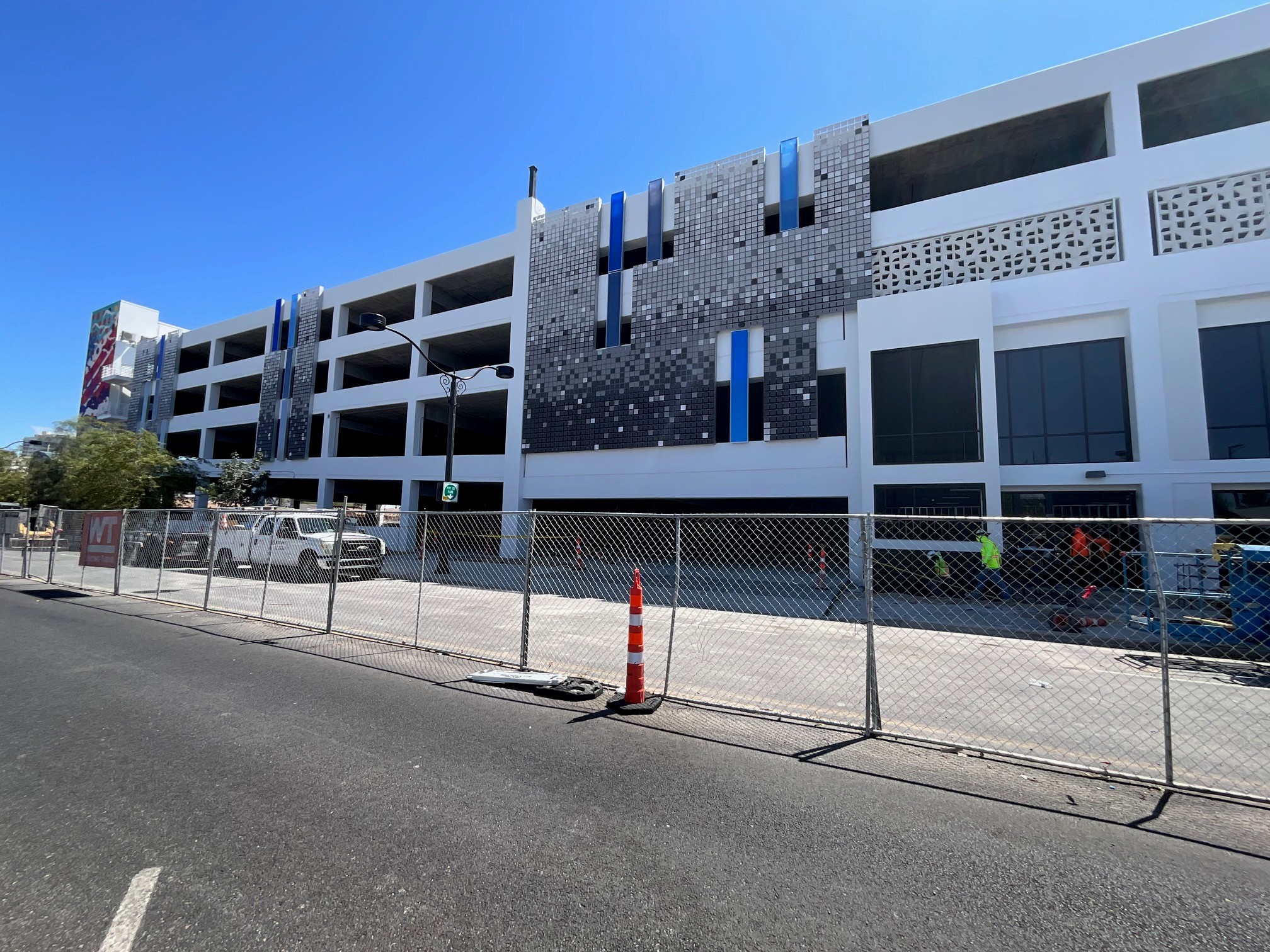
Art Where you Park 2.0
TEDx

Burnout Isn't Always About Hating Your Job
Why Conferences and Trade Shows Are Important
A Note from SWPTA President, Peter Macdonald

Finding My Place in Parking: Reflections on Three Years in an Amazing Industry

The Innovation Wave: How Hospitality is Evolving in a Post-Rideshare World

Prioritization, Presence & Purpose: Finding Balance Without Burnout
.avif)
Industry Connections Worth Parking Long-Term
.avif)
Everyone’s Going Somewhere
.avif)
Here We Go Again

Electric Vehicles in the Southwest Region
.avif)
Move It!
.avif)
Here We Go! Tips for Working on the Road
.avif)
Integrity
Be Part of the Solution
Join SWPTA today and help drive change in parking and transportation. Your involvement shapes the future of mobility. Let’s redefine transportation together.
Join the Movement
Shaping the Future of Parking
SWPTA extends sincere thanks to our sponsors, whose support makes our events, educational programs, and industry initiatives possible.
.avif)